
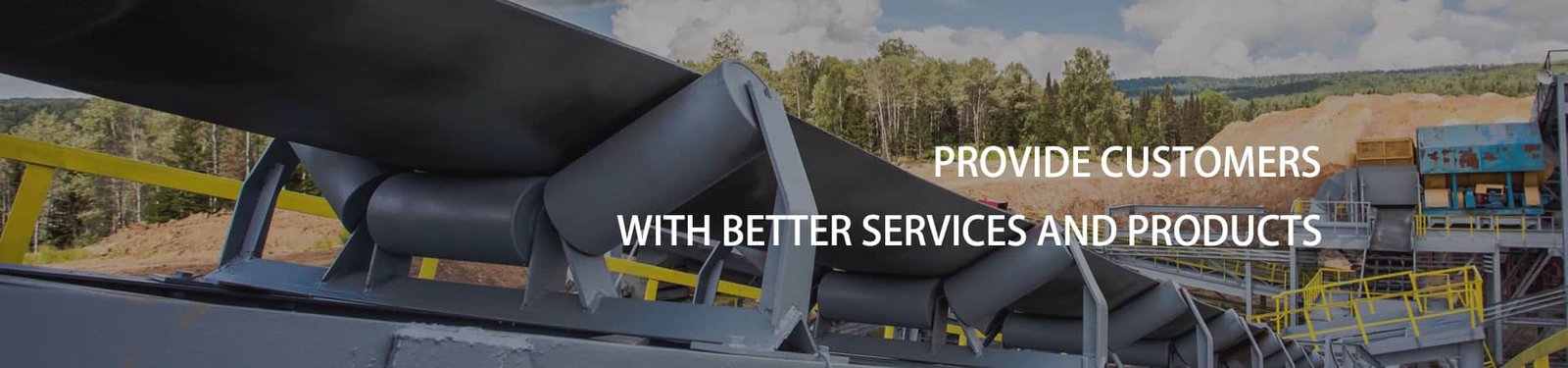
Belt conveyors are the workhorses of modern material handling, efficiently transporting goods across industries from mining to logistics. Understanding the essential components of belt conveyors is crucial for optimizing performance, ensuring safety, and reducing downtime. This guide examines each critical part, explaining its function, variations, and maintenance considerations.
A belt conveyor operates as an integrated system where each component plays a specific role. The conveyor belt itself carries the material, supported by idlers and driven by pulleys. The drive unit provides power, while the tensioning system maintains proper belt tension. Each of these essential components of belt conveyors must be correctly specified and maintained for reliable operation.
The belt is the most recognizable of all essential components of belt conveyors. Its carcass, or core, provides tensile strength and is typically made from fabric plies (like polyester-nylon) or steel cables. Key selection factors include tensile strength (measured in PIW or N/mm), impact resistance, and flexibility. Understanding the differences between EP, NN, and ST cord constructions is vital for choosing a belt that matches your load, distance, and operational demands.
The drive unit is the powerhouse among essential components of belt conveyors. It consists of an electric motor, gear reducer (gearbox), and sometimes a variable frequency drive (VFD). For inclined applications, calculations must account for both horizontal and vertical lift, requiring sufficient torque to overcome gravity. Proper sizing prevents slippage, reduces energy consumption, and extends component life.
Idlers, or rollers, support the belt and material load. In loading zones—where material drops onto the belt—impact idler sets are critical essential components of belt conveyors. These feature closely spaced, rubber-cushioned rolls that absorb shock, protecting both the belt and the conveyed material from damage. Their robust design prevents premature failure in high-impact areas.
Pulleys change the belt's direction, with the head pulley being the primary drive point. Lagging—a rubber or ceramic coating applied to pulley surfaces—is an essential feature of these essential components of belt conveyors. It significantly increases friction between the pulley and belt, preventing slippage, especially in wet or muddy conditions. Ceramic tile lagging offers superior grip in the most demanding environments.
Maintaining proper belt tension is non-negotiable for efficient operation. Automatic take-up units are advanced essential components of belt conveyors that dynamically adjust tension using gravity weights, hydraulic rams, or winches. They compensate for belt stretch, thermal expansion/contraction, and load variations, ensuring consistent traction and alignment without manual intervention.
Belt cleaners are indispensable essential components of belt conveyors that remove carryback—material stuck to the belt after discharge. A primary cleaner (often a blade type) mounts at the head pulley, while secondary cleaners (plough or rotary brush types) provide additional scraping. Effective cleaning reduces material waste, prevents pulley buildup, and lowers maintenance costs.
The structural frame is the skeleton that supports all other essential components of belt conveyors. For outdoor or corrosive environments, frames are fabricated from galvanized steel, aluminum, or stainless steel with protective coatings. Design considerations include load capacity, span between supports, and resistance to environmental factors like wind, rain, and temperature extremes.
Belt misalignment, or run-off, is a common cause of damage. Training idlers are self-aligning essential components of belt conveyors that automatically correct minor tracking issues. These include center-pivot designs or idlers with crowned profiles. Properly installed at strategic points, they guide the belt back to center, preventing edge damage and material spillage.
Safety devices are critical essential components of belt conveyors. Emergency stop (E-stop) pull cords run the conveyor's length, allowing immediate shutdown from any point. Belt rip detection switches monitor for longitudinal tears, triggering an automatic stop to prevent catastrophic damage. These systems must comply with relevant safety standards (like ISO 13850) and be tested regularly.
The loading zone dictates overall system efficiency. Well-designed chutes and skirtboards—essential components of belt conveyors—direct material onto the belt at the correct speed and trajectory. Skirtboards seal the belt edges at the load point, containing dust and fines. Features like impact beds, adjustable flow gates, and wear liners are integral to controlling wear and spillage.
| Component | Common Materials | Key Specifications to Consider |
|---|---|---|
| Conveyor Belt | Rubber, PVC, Urethane, Fabric, Steel Cord | Width, Tensile Strength, Carcass Type, Cover Thickness |
| Idler/Roller | Steel, HDPE, Stainless Steel | Diameter, Bearing Type (C3/C4), Seal Rating, Static/Dynamic Load |
| Pulley | Mild Steel, Stainless Steel, Lagged | Diameter, Face Width, Shaft Diameter, Hub Connection |
| Drive Motor | Cast Iron / Aluminum Frame | Power (kW/HP), Speed (RPM), Efficiency Class (IE3/IE4), Enclosure (IP Rating) |
| Structural Frame | Carbon Steel, Galvanized Steel, Aluminum | Load Rating, Corrosion Protection, Modularity |
Proactive maintenance of essential components of belt conveyors maximizes uptime and return on investment:
Daily/Weekly Inspections: Visually check for misalignment, unusual wear, and listen for noisy idlers or bearings.
Lubrication Schedule: Follow manufacturer guidelines for lubricating idler and pulley bearings. Over- and under-lubrication are common failure causes.
Belt Tracking Adjustment: Continuously monitor and make minor adjustments to training idlers to keep the belt centered.
Cleaner Blade Inspection: Check the wear and contact pressure of belt scrapers and replace blades before they wear down to the holder.
Tension Monitoring: Verify that automatic take-ups are functioning and that gravity weights move freely.
A belt conveyor is a precise symphony of its parts. The performance and longevity of the entire system depend on the correct selection, installation, and maintenance of each of these essential components of belt conveyors. From the rugged drive pulley transmitting power to the humble training idler guiding the path, every element must fulfill its role.
Investing time in understanding these components pays significant dividends through reduced downtime, lower operating costs, and improved safety. Whether you are specifying a new system or maintaining an existing one, a component-focused approach is the key to reliable and efficient material handling.
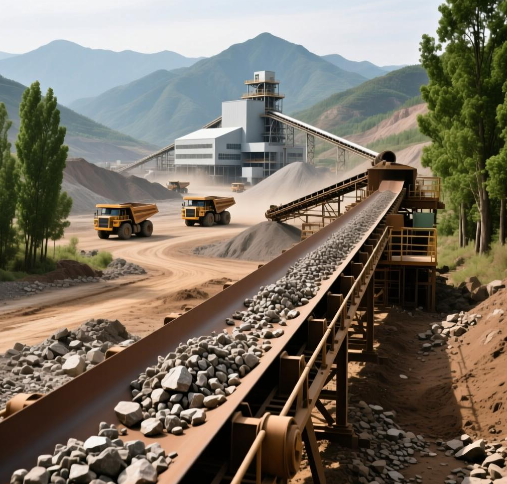 Top 10 Conveyor Roller Supplie
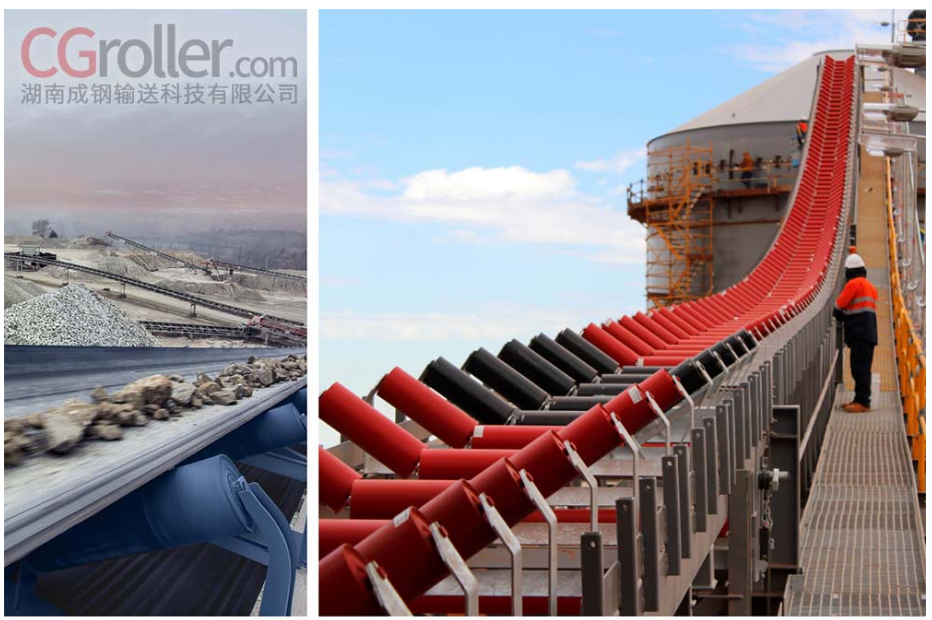 The Belt Conveyor System: A Co
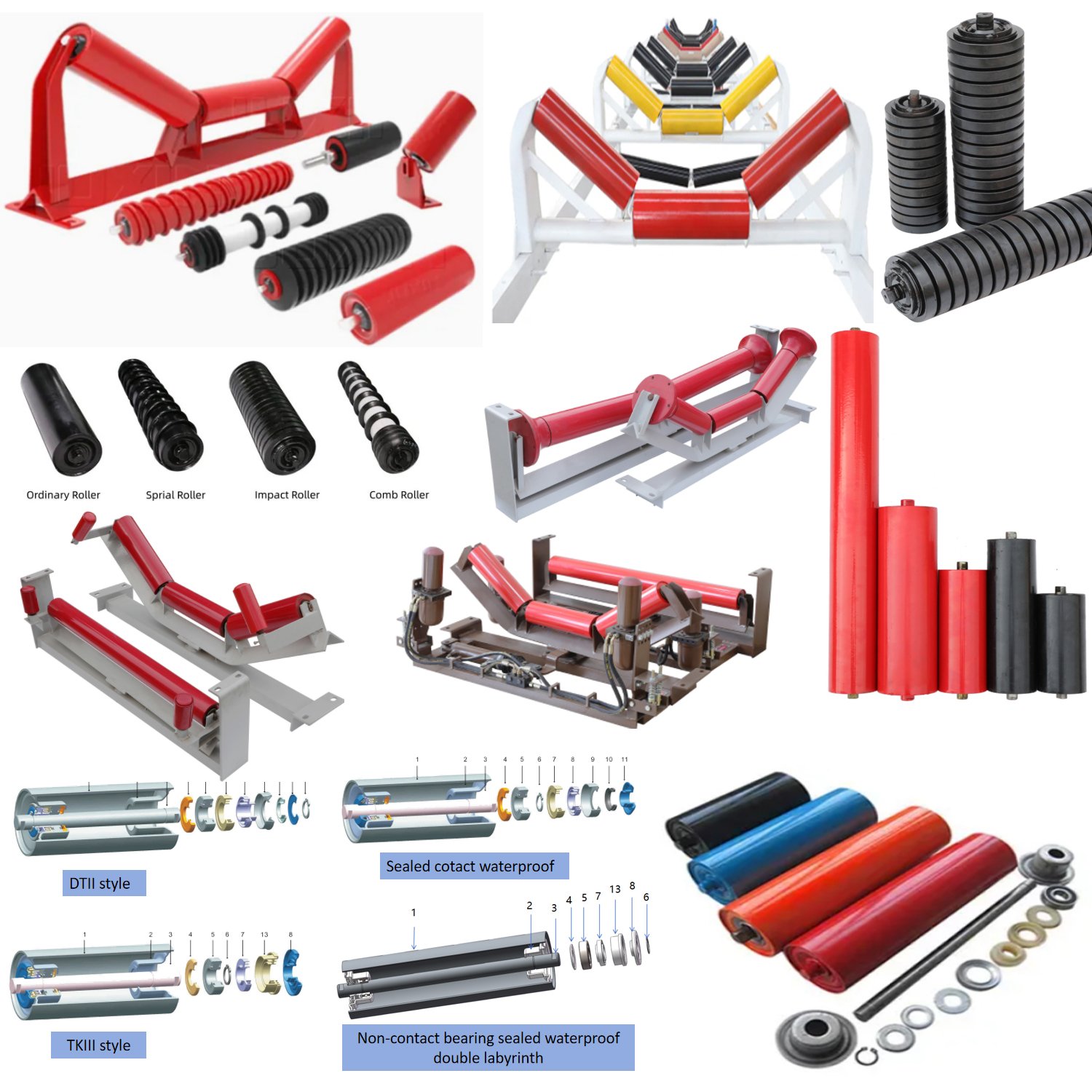 Comprehensive Analysis of Belt
 Key Components of Belt Conveyo