

In the intricate world of automotive and industrial machinery, the smooth transfer of power from the engine to various accessories is paramount. At the heart of this system lies a component often overlooked yet critically important: the Damping Idler. This specialized pulley plays a vital role in maintaining tension, reducing vibrations, and ensuring the longevity of the entire belt drive system. Unlike standard idler pulleys, a Damping Idler incorporates a rubber or viscous damping element within its bearing assembly. This design actively absorbs shocks and oscillations from the engine, preventing belt slip, minimizing noise, and protecting other components like the alternator, water pump, and power steering pump from premature wear. For high-performance applications and demanding environments, precision-engineered parts such as those found in the parts catalog, including racing products, often feature advanced Damping Idler designs to handle increased horsepower and stress.

Interactive Price Quote Tool
Select the quantity of Damping Idlers you wish to purchase to see the estimated unit price. Prices are indicative and may vary based on specific model and application.
| Quantity | Estimated Unit Price (USD) | Price Tier |
|---|---|---|
| 1 | $48.99 | Retail |
| 50 | $42.50 | Small Business |
| 100 | $38.75 | Bulk |
| 300 | $33.20 | Wholesale |
| 500 | $29.90 | OEM Tier |
| 1000 | $26.50 | High-Volume Partner |
Note: For exact pricing and to order specific models like the idler or Blower Idler pulley, please consult the official parts catalog or contact an authorized distributor.

1. The Engineering Behind Damping Idler Technology
The superiority of a Damping Idler over a solid pulley is in its internal engineering. It typically consists of an outer ring that contacts the belt, an inner ring that mounts to the engine, and a layer of specialized elastomer bonded between them. This rubber layer acts as a torsional damper, isolating harmonic vibrations. This technology is crucial in modern engines with auto start-stop systems and in high-performance setups from brands like racing products, where uncontrolled belt whip can lead to catastrophic failure.
2. Application in Supercharging and Forced Induction Systems
In forced induction applications, such as those utilizing a Blower Idler pulley, the stresses on the belt drive are multiplied. The sudden torque loads from a supercharger can cause severe belt oscillation. A properly sized Damping Idler in the supercharger circuit is not optional; it’s essential for maintaining consistent belt tension, preventing slip under boost, and ensuring that the blower delivers power efficiently and reliably.
3. Signs Your Damping Idler Needs Inspection
While durable, the damping element has a finite lifespan. Common signs of a failing unit include a high-pitched squealing or chirping noise at startup or during operation, visible wobble in the pulley itself, and cracks or deterioration in the rubber damping material. Sometimes, a failing idler can cause a rhythmic slapping sound from the engine bay. Regular visual and auditory inspections are key to early detection.
4. The Importance of OEM vs. Performance Specifications
When replacing a Damping Idler, sourcing the correct part is critical. Using the vehicle manufacturer's or a reputable performance catalog like the parts catalog ensures proper fitment, damping rate, and load capacity. A generic solid idler pulley might fit the bolt but will lack the vital vibration-damping function, potentially leading to increased noise and component fatigue. For modified engines, performance-grade units like the idler are engineered to handle beyond-stock demands.
What is the purpose of an idler?
The purpose of an idler pulley is to route, tension, and guide the serpentine or drive belt. It ensures optimal contact between the belt and all powered accessories. A Damping Idler adds the critical function of absorbing torsional vibrations, which protects the entire system from harmonic resonance and shock loads.
How do I tell if my idler pulley is bad?
You can tell if your idler pulley is bad by conducting a few checks. First, listen for persistent squealing or grinding noises from the pulley location. With the engine OFF, visually inspect the pulley for cracks, glazing on the belt contact surface, or damaged ribs. Try to wiggle the pulley by hand; any lateral or radial play indicates severe bearing wear. Finally, check if the rubber damping ring (if present) is cracked or separated.
Can I drive with a bad idler pulley?
It is strongly advised that you not drive with a bad idler pulley. A seized idler pulley can cause the drive belt to snap or shred immediately, leading to loss of power steering, overheating (from the water pump stopping), and battery discharge (from the alternator stopping). This can strand you and cause significant secondary damage. Even a wobbly pulley can derail the belt, resulting in the same failures.
How much does it cost to fix an idler pulley?
The cost to fix an idler pulley varies based on vehicle make, model, and labor rates. Typically, the part itself can range from $30 to $150, with performance or specialized units like a Blower Idler pulley costing more. Labor for replacement usually takes 0.5 to 1.5 hours, adding approximately $50 to $200. In total, you can expect to pay between $80 and $350 for a professional replacement. The repair is generally straightforward and much less costly than dealing with the consequences of a complete belt failure.
The Damping Idler is a masterpiece of functional simplicity, serving as a silent guardian of your engine's accessory drive system. Understanding its role, recognizing symptoms of failure, and opting for quality replacements—whether from your vehicle’s OEM or from performance specialists like racing products—are key to maintaining a reliable and smooth-running vehicle. Always consult the appropriate parts catalog or service manual for your specific application to ensure you select the correct idler or damping component. Proactive maintenance of this small part can prevent disproportionately large and expensive repairs down the road.
 Top 10 Conveyor Roller Supplie
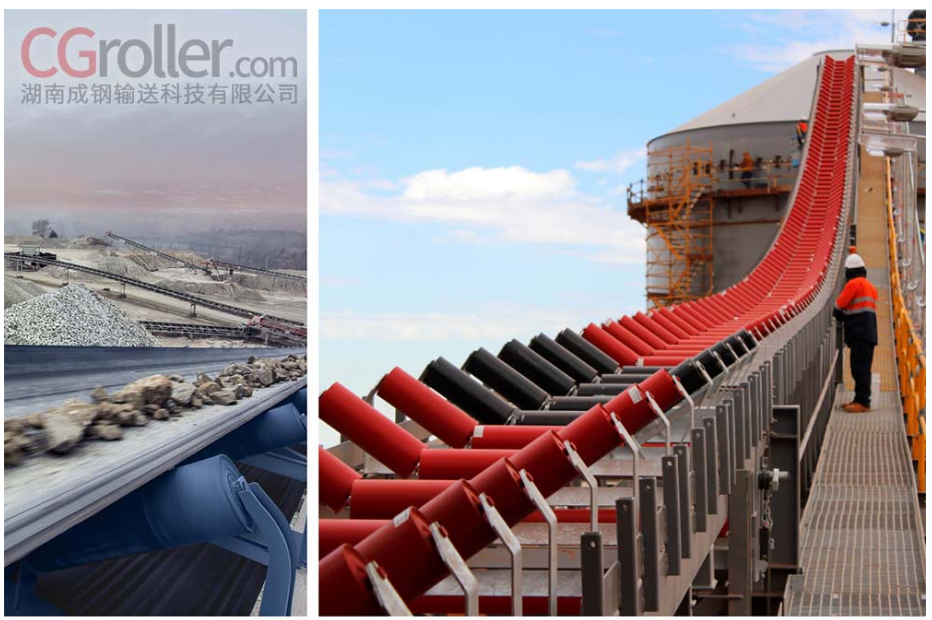 The Belt Conveyor System: A Co
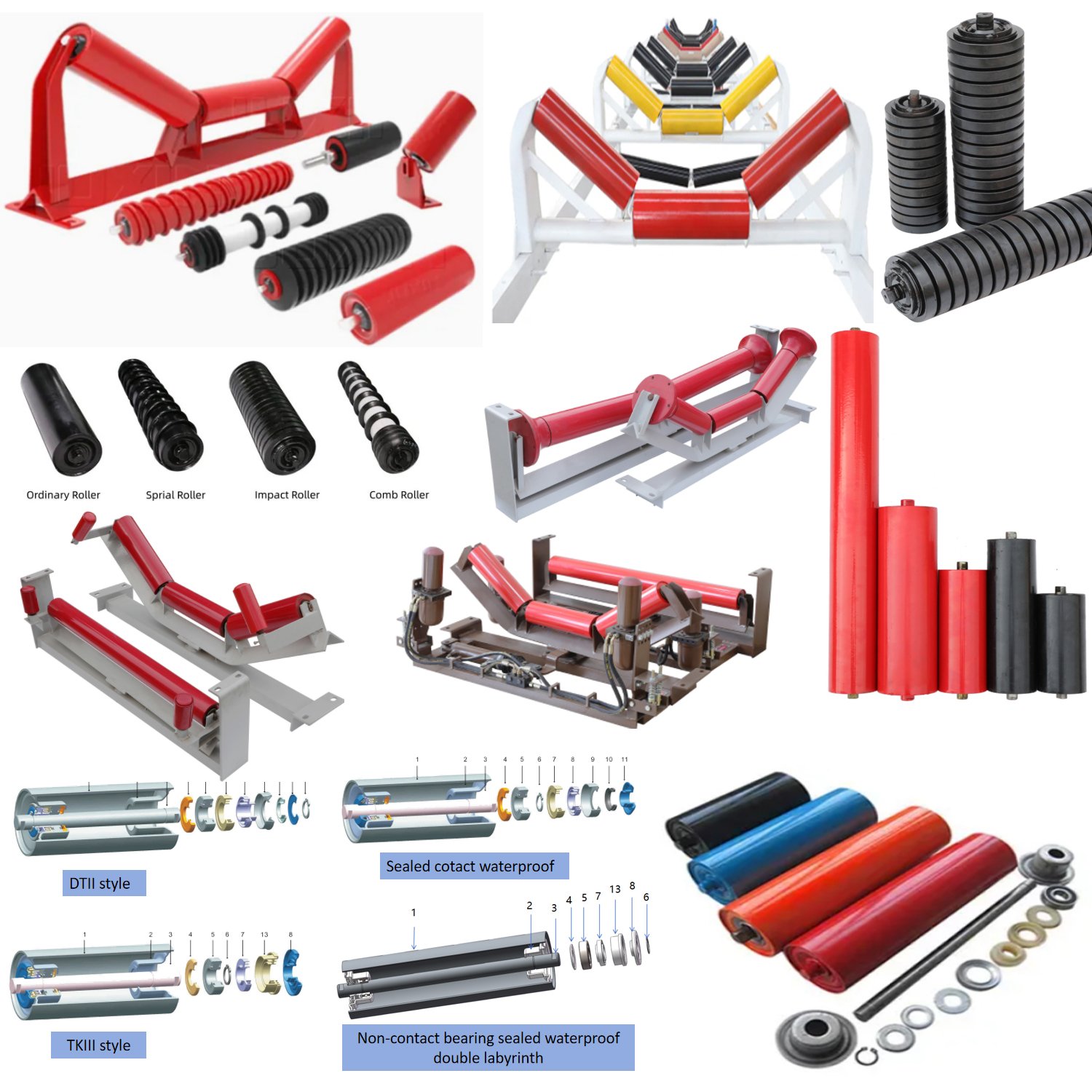 Comprehensive Analysis of Belt
 Key Components of Belt Conveyo